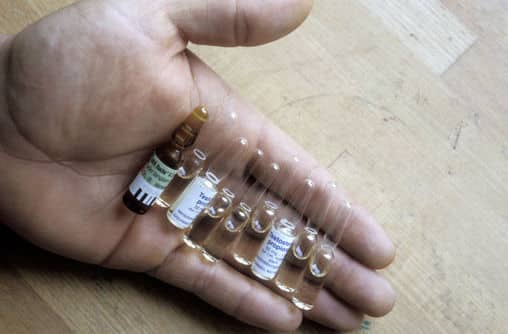
TOXICOLOGY…
Toxicology is the
study of substances toxic to the body. It is the
study of the adverse effects of chemicals on living organisms. It is the study
of symptoms, mechanisms, treatments and detection of poisoning, especially the
poisoning of people.
Absorption
of toxins in the gastrointestinal tract is by passive diffusion – this process
requires that the substance cross cellular barriers. Toxins that are not
absorbed from the gastrointestinal tract do not produce systemic effects but
may produce local effects –diarrhea, bleeding and malabsorption of nutrients.
In
cases of drug overdose, CBC, serum electrolytes, BUN, glucose, urinalysis and blood gas must be determined.
Common substances causing
acute toxicity: Alcohol, acetaminophen, salicylate and carbon monoxide.
Routes of exposure:

- Ingestion
- Inhalation
- Trans dermal absorption
TERMINOLOGIES
·
Acute toxicity-
single, short term exposure to a substance
·
Chronic toxicity-
repeated exposure for extended period of time
·
TD50- is
the dose that would be predicted to produce a toxic response in 50% of the
population.
·
LD50-
is the dose that would predict death in 50% of the population
·
ED50- is
the dose that would be predicted to be effective of have a therapeutic benefit in
50% of the population.

I.
TOXIC AGENTS
A.
Alcohols
-
Common depressants.
-
Cause disorientation,
euphoria, confusion and may progress to unconsciousness, paralysis and even
death.
-
Symptoms of alcohol
intoxication begin when the concentration is >0.05%w/v (>50 mg/dl blood
alcohol)
1. Ethanol (grain alcohol)
- most common abused drug
- it is converted to acetic acid
- ethanol abuse causes acidosis through accumulation of ketones and lactates and also through direct generation of hydrogen ions as alcohol is oxidized
- causes diuresis by inhibiting ADH
- “hangover symptoms” due to the effects of acetaldehyde
- Major metabolic pathway: conversion to acetaldehyde by alcohol dehydrogenase (AD)
- Detection limit: 12 hrs
- Fatal dose: 300-400 ml of pure alcohol consumed in less than one hour
- Toxic blood levels: 250-400 mg/dl
2. Methanol (wood alcohol)
- Commonly used solvent and a contaminant of homemade liquors.
- Converted first into formaldehyde, then finally formic acid in the liver
- Fatal dose: 60-250 ml
3. Isopropanol (rubbing alcohol)
- Metabolized to hepatic ADH to acetone
- Fatal dose: 250 ml
4. Ethylene glycol (1,2-ethanediol)
- Common constituent of hydraulic fluid and antifreeze
- Converted to oxalic acid and glycolic acid
- Production of final product leads to deposition of calcium oxalate crystals in renal tubules
- Fatal dose: 100 mL for adults (70 kg)
B. Carbon Monoxide
- Colorless, odorless, tasteless gas
- Very toxic substance
- Incomplete combustion of carbon-containing substances like gasoline engines, organic materials in fire and cigarette smoke.
- Toxic levels: 20% CO
- Indicator of toxicity: “cherry red” color of the face
- Sample for testing: EDTA whole blood
- Method of testing: co-oximetry
C. Cyanide
- Can exist as solid, gas or in solution;
- Super toxic substance
- Component of insecticides and rodenticides
- Common suicide agent
- Pyrolysis product- burning of plastics
- Characteristic: odor of bitted almonds
- Antidote: sodium thiosulfate, amyl and sodium nitrite
- Toxic symptoms: tachypnea, convulsions, coma
- Toxic levels: >2µg/ml
 A.
Metals
A.
Metals- All metals can be toxic if ingested in large quantities and absorbed in their ionized forms.
1. Arsenic
- Component of rodenticides, paints and metal alloys
- Acute fatal dosage: 120 mg
2. Lead
- Component of household paints
- Significant environment pollutant
- Exposure to this metal results to encephalopathy, birth defects and compromised immunity
- Toxicity dose: >0.5mg/day
- Toxic blood levels: >70µg/dl (definitive lead poisoning)
3. Mercury
- Binds with proteins
- Small drops of mercury on bench tops and floors can poison the environment in a poorly ventilated room.
- Significant exposure: >50µg/dl (whole blood)
II. Drug Abuse

1.
Amphetamines
-
Therapeutically used
for treating narcolepsy
-
Increases mental
alertness and physical capacity
-
Structurally related
to dopamine and catecholamine
-
Hyperpyrexia is a sign of acute
intoxication
-
Toxic effects:
hypertension, convulsions, pancytopenia

1.
Anabolic Steroids
-
Chemically associated
to the male hormone testosterone
-
Improves athletic
performance by increasing muscle mass
-Toxic effects:
chronic hepatitis, atherosclerosis, abnormal platelet
aggregation, cardiomegaly
1.
Cannabinoids
-
Naturally occurring cannabinoids
are marijuana and hashish
- Physiologic effects:
reddening of the conjunctiva and tachycardia

1.
Cocaine (crack)
-
Alkaloid salt that
can be taken directly or by inhalation
-
Derived from coca
plant and used as additive to some foods
-
Used as a local
anesthetic for nasopharyngeal surgery
-
CNS stimulant that elicits a sense of excitement and euphoria
-
Increases physical
activity
-
Easily pass the
placenta and mammary glands
-
Prozac is used to
inhibit the action of this drug
- Toxic effects:
hypertension, arrhythmias, seizures and myocardial infarction

1.
Opiates
-
Capable of analgesia,
sedation and anesthesia
-
Opium, morphine and
codeine- naturally occurring substances
-
Morphine and codeine
are substances commonly tested
- Heroin is highly addictive,
Morphine is powerful analgesic, Codeine is antitussive
-
Antagonist for opiate
overdose: naloxone
-Toxic effects:
respiratory acidosis, myoglobinuria and cardiopulmonary failure

1.
Sedative Hypnotics
-
CNS depressants
-
Barbiturates and
benzodiazepines
-
Commonly used
benzodiazepines: diazepam (Valium), Librium, Clonazepam ( Ativan)
-
Toxic effect:
respiratory depression

1.
Lysergic Acid
Diethylamide (LSD, Lysergide)
-
Hallucinogen
-
One of the most
potent pharmacologic materials known
-
Produces effects at
low doses-- 20µg
-
Causes blurred or “undulating
vision”
-
Panic reactions- “bad
trip” -are the most common adverse reactions
Reference:
Calbreath, D. F., Clinical Chemistry: A Fundamental Textbook
Photo credits:
http://www.healthjockey.com/2007/12/29/marijuana-
Video: